
HPV vaccination helping bring the end of cervical cancer within reach across north east London



North East London Cancer Alliance is continuing to expand its work to increase uptake of the HPV vaccine, helping protect local people from a range of cancers and bringing the elimination of cervical cancer a step closer.
The work follows groundbreaking new research showing that the HPV vaccine has reduced cervical cancer deaths to zero among young women who were vaccinated in England, providing the strongest evidence yet that cervical cancer could become one of the first cancers to be eliminated as a public health problem. The study also estimates that the vaccination programme has already saved around 200 lives since it was introduced in 2008.
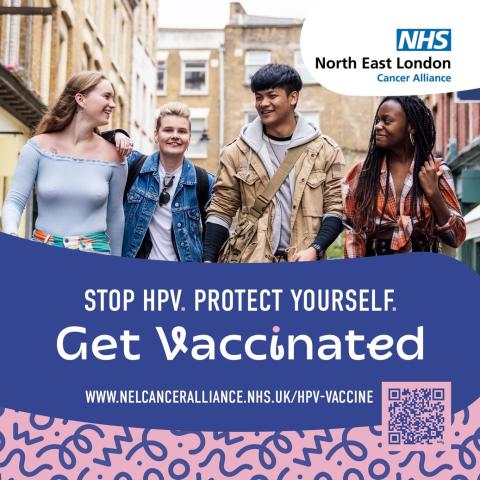
Human papillomavirus (HPV) is an extremely common virus, with most people coming into contact with it during their lifetime. While most HPV infections clear naturally, some high-risk types can lead to cervical cancer as well as cancers of the anus, penis, vulva, vagina and head and neck. Vaccination provides highly effective protection against the HPV types responsible for the vast majority of these cancers, making it one of the most successful cancer prevention programmes ever introduced.
North East London Cancer Alliance has been leading several innovative projects to improve awareness of HPV and encourage more eligible people to take up the vaccine.
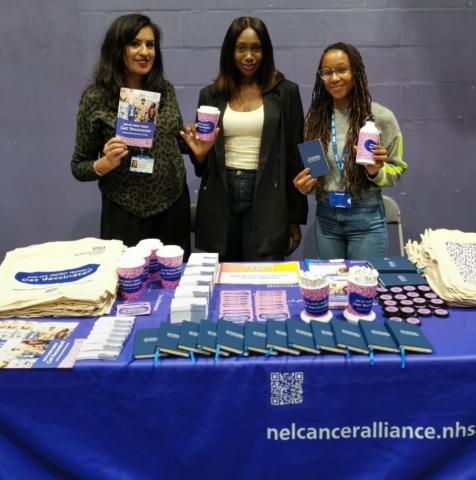
One project has focused on reaching young adults aged 16 to 25 who may have missed receiving the vaccine at school. Throughout the year, the Cancer Alliance has attended freshers' fairs and colleges across north east London, speaking directly with students about HPV, answering questions and encouraging those who are eligible to contact their GP for a free catch-up vaccination. Working alongside local GP practices has also helped students who were not yet registered with a doctor access vaccination and wider healthcare services.
The Cancer Alliance has also developed a targeted programme to support gay, bisexual and other men who have sex with men (GBMSM), who remain eligible for HPV vaccination up to the age of 45 through sexual health services.
Working in partnership with The Love Tank, the Alliance has produced dedicated online information and educational resources explaining HPV, the cancers it can cause and how people can access the vaccine. The partnership is also delivering a series of discreet "Under The Radar" vaccination events, allowing eligible people to receive the vaccine in welcoming community settings rather than attending a sexual health clinic if they would prefer not to. The initiative aims to remove barriers, reduce stigma and improve access for communities who may otherwise miss the opportunity to be vaccinated.

Dr Alexandra Lawrence, Consultant Gynaecological Oncologist at The Royal London Hospital and Chair of the North East London Cancer Alliance Gynaecological Expert Reference Group, welcomed the latest evidence.
"This is the first time in public health we've ever thought about eliminating a cancer. We've eliminated diseases like smallpox and polio before, but eliminating a cancer is something completely different, and it's an incredible breakthrough.
"We've known for many years that the HPV vaccine is very effective at preventing precancerous changes to the cervix, but we now have real-world evidence showing it is working across the country. That is incredibly exciting.
"At the same time, we know there is still misinformation about vaccines, and some communities face barriers to accessing healthcare. That's why it's so important we continue providing trusted information, working with local communities and making it as easy as possible for people to receive the vaccine."
Dr Lawrence also reminded people that cervical screening remains essential, even after vaccination.
"The HPV vaccine provides excellent protection, but it doesn't prevent every type of HPV that can cause cervical cancer. Cervical screening remains one of the best ways to detect changes early, before cancer develops, so it's really important that everyone who is invited continues to attend their screening appointments."
Sherrice Weekes, Project Manager at North East London Cancer Alliance, said:
"By taking information directly into universities, colleges and local communities, and by working with partners such as The Love Tank, we're helping people understand why the HPV vaccine matters and making it easier for them to access it.
"Every conversation we have is an opportunity to prevent cancer before it starts. Whether we're speaking to students at freshers' fairs or supporting our Under The Radar events, we're working to ensure everyone has the information and confidence they need to protect themselves."
The Cancer Alliance is encouraging everyone to check whether they or someone they know may still be eligible for the HPV vaccine.
The vaccine is routinely offered to children aged 12 to 13 through schools, while people aged 24 and under who missed their vaccination can usually still receive it free through their GP or school immunisation service. The vaccine is also available to certain groups at increased risk of HPV, including gay, bisexual and other men who have sex with men, people living with HIV and others attending sexual health services.
More information
For more information about HPV, vaccine eligibility and how to access vaccination in north east London, visit the North East London Cancer Alliance HPV webpage or the dedicated queer community resource developed with The Love Tank.
Read more about cervical screening.
Read our case study on the work we are doing on the HPV vaccine and cervical screening.
Similar articles

Celebrating Black History Month with Femi Odewale
Breast cancer awareness month 2026