
Health Inequalities Strategy
North East London Cancer Alliance has developed a Health Inequalities Strategy to reduce inequalities in cancer outcomes across North East London.
North East London is one of the most diverse areas in the country, with communities shaped by a rich history of migration, culture and local identity. While this diversity is a strength, it also contributes to differences in how people experience health and care services, including cancer.
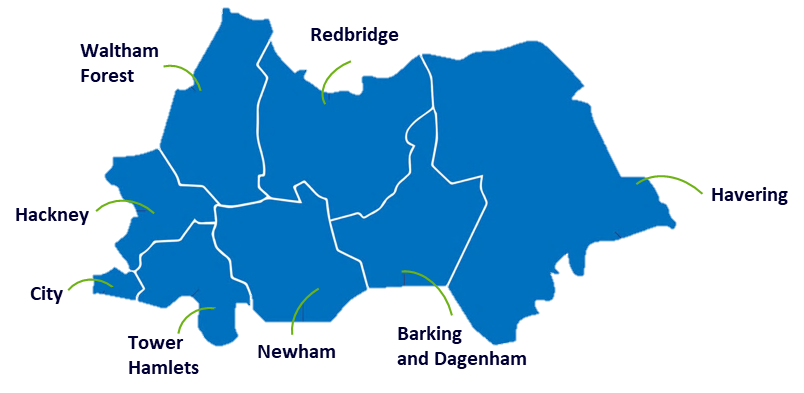
More than half of residents are from a minority ethnic background, around one in four people live in neighbourhoods among the most deprived nationally, and over 200 languages and dialects are spoken across the area. Approximately one in eight people live with a disability that affects their day to day life.
These factors influence how people access, understand and navigate cancer services, contributing to persistent inequalities in outcomes across the pathway.
This strategy sets out a shared commitment to ensuring that everyone has equitable access to cancer services across the whole pathway, from prevention and screening through to diagnosis, treatment and ongoing support, it also aims to ensure that people diagnosed with cancer are supported to live well for as long as possible.
Reducing health inequalities in cancer care
Watch our video introducing our Health Inequalities Strategy.
Why A Health Inequalities Strategy?
Cancer inequalities in north east London are longstanding, persistent and avoidable. People living in more deprived areas, some ethnic minority groups, older people, people with disabilities and those facing language or digital barriers are more likely to experience
- Later diagnosis
- more complex care pathways
- poorer outcomes
These inequalities are shaped by a combination of social, structural and system-level factors, and are seen across every stage of the cancer pathway, from awareness and screening through to diagnosis, treatment and ongoing support.
Addressing these challenges requires a coordinated, system-wide approach that focuses not only on individual behaviour, but on how services are designed, delivered and experienced in practice.
Our Approach
This strategy has been developed through a structured, evidence-led and participatory process.
It brings together:
- National and local data
- Stakeholder insight across health, care and community organisations
- A citizens' panel made up of local residents
- Targeted engagement with underserved communities
Lived experience has been central throughout, shaping priorities from the outset rather than being used to validate decisions at the end.
This approach ensures the strategy reflects real experiences and focuses on actions that are both ambitious and deliverable within the North East London system.

Our Priorities For Action
The strategy is structured around six key themes, developed through engagement with residents, communities and system partners. Together, these provide a clear framework for reducing inequalities across the cancer pathway.
| Make sure people know what is available and why it matters | Improving awareness of cancer signs and symptoms, screening and services so people feel confident seeking help early. |
| Remove barriers to accessing care | Addressing practical and structural barriers that prevent people from entering or staying on the cancer pathway |
| Improve support after treatment | Strengthening follow up care, survivorship support and community connections to improve quality of life after treatment |
| Make cancer communications and interactions work for people | Improving clarity, tone and accessibility of communication across the pathway |
| Embed social and psychological support in care pathways | Ensuring mental health, social and practical support are integrated into cancer care |
| Open doors to research | Improving equitable access to research and clinical trials for all communities |
From Strategy to Action

This strategy is designed to be a practical framework for collective action. It provides a shared foundation for coordinated action across north east London, bringing together partners to work towards common priorities while allowing flexibility for local delivery.
Delivery will focus on:
- Aligning activity across organisations under shared priorities
- Supporting collaboration between health services, local authorities and community partners
- Embedding lived experience through ongoing involvement, including a Lived Experience Advisory Panel (LEAP)
- Tracking progress using both data and lived experience insight.
This approach will help ensure that responsibility for reducing cancer inequalities is understood and embedded across the system, and that progress is sustained beyond individual projects or funding cycles.
The strategy will continue to evolve over time, using learning, data and lived experience to refine priorities and strengthen impact, ensuring it remains responsive to communities and delivers meaningful, long-term change.
Health Inequalities Documents
All final reports, documents and resources will be made available here