
Case Study: Helping to eliminate cervical cancer through the HPV vaccination
Introduction
The Human Papillomavirus (HPV) vaccine is one of the greatest advances in cancer prevention. It protects against the HPV types responsible for almost all cases of cervical cancer, as well as many cancers of the anus, penis, vulva, vagina and head and neck.
Recent national research has shown the impact of the vaccination programme is already being felt, with cervical cancer deaths among women who were offered the HPV vaccine aged 12 or 13 falling to zero in England. This remarkable milestone demonstrates that eliminating cervical cancer as a public health problem is now a realistic ambition.
North East London Cancer Alliance has been working with NHS partners, education providers, community organisations and local people to increase awareness of HPV, improve confidence in the vaccine and make it easier for eligible people to access vaccination.
What did we do?
Recognising that different communities face different barriers to vaccination, North East London Cancer Alliance developed a targeted programme of engagement to reach groups who are less likely to receive the HPV vaccine or who may not know they remain eligible.
Reaching young adults
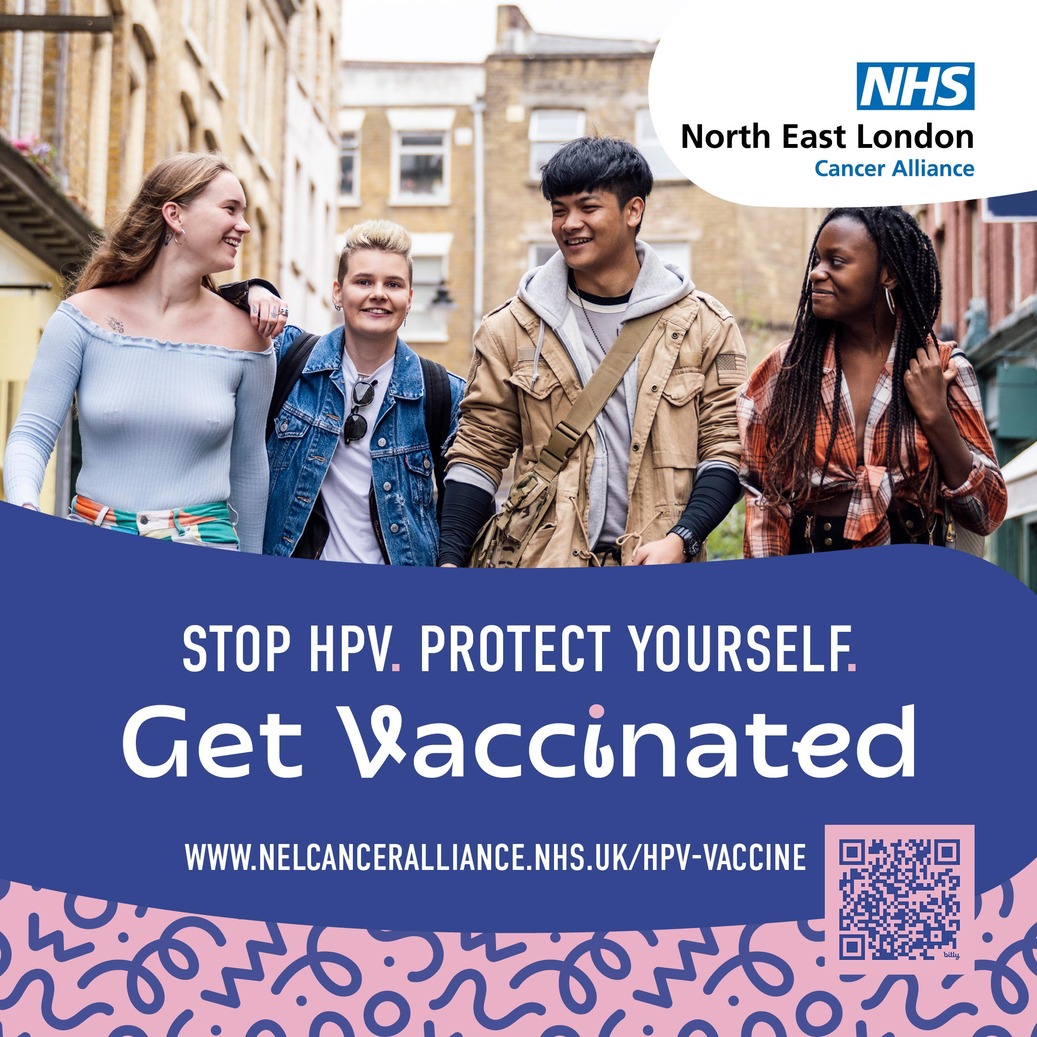 The team focused on young people aged 16 to 25 who may have missed the HPV vaccine during the school immunisation programme. Research with local young people helped identify the questions they most wanted answered, particularly around what HPV is, why vaccination is important and whether there are any side effects.
These insights informed the development of a new campaign identity and communications materials that reflected the diversity of north east London and used bold, eye-catching branding with QR codes linking directly to further information.
The cancer alliance then took the campaign directly to students by attending freshers' fairs at several universities including:
Queen Mary University (QMUL)
University of East London (UEL)
Barking & Dagenham College
Waltham Forest College
Sir George Monoux College
City of London Academy College (Shoreditch)
London Academy of Excellence College
Hackney College
Working alongside local GP practice groups, the team encouraged students to reg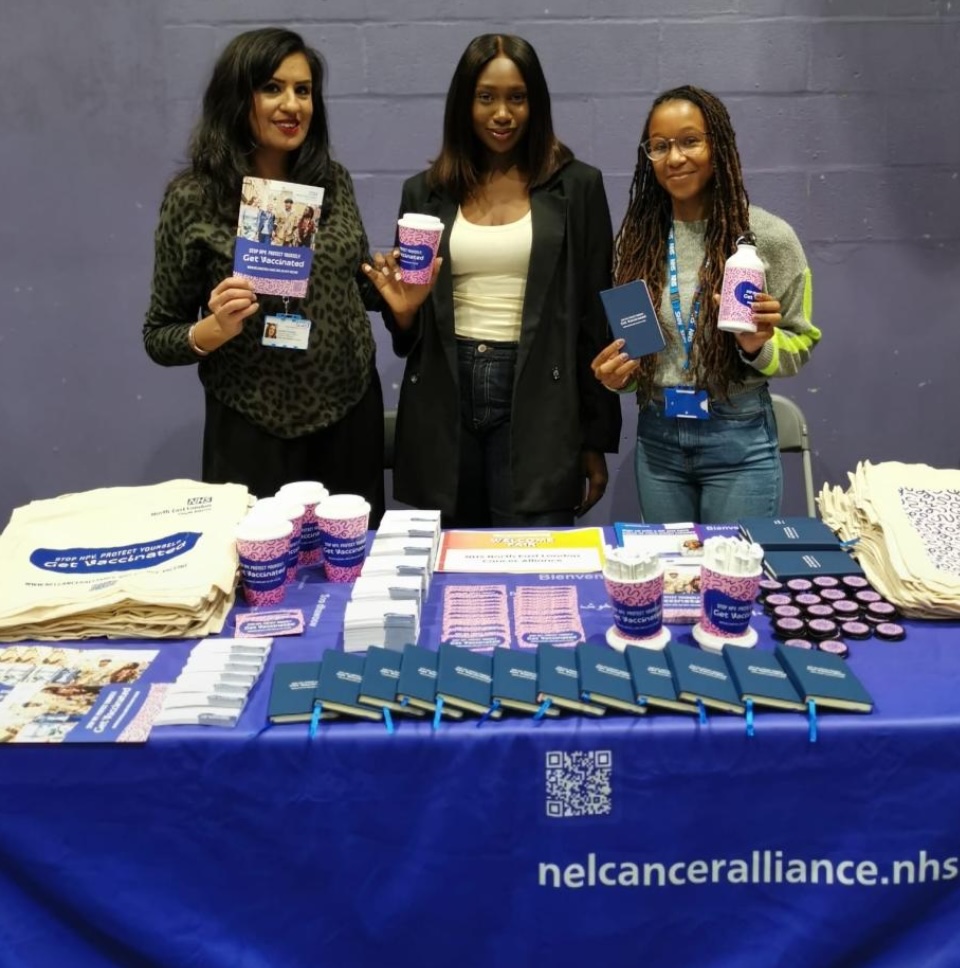 ister with a GP, answered questions about HPV and cervical screening, distributed information leaflets and promotional materials, and signposted eligible students to vaccination services. The team spoke to more than 500 students during the events.
To extend the campaign beyond face-to-face engagement, North East London Cancer Alliance produced TikTok videos and Instagram Reels featuring students discussing HPV and sharing campaign messages, helping reach audiences through the channels they use every day. The campaign generated strong engagement, with around 95% of viewers being new audiences.
Supporting gay, bisexual and other men who have sex with men (GBMSM)
The cancer alliance also recognised that HPV affects everyone, not just women, and developed a programme specifically aimed at gay, bisexual and other men who have sex with men (GBMSM), who remain eligible for the HPV vaccine up to the age of 45.
Working with sexual health services identified that some men were reluctant to attend clinics because of stigma, concerns about privacy or because they did not routinely use sexual health services.
To overcome these barriers, the cancer alliance partnered with The Love Tank, an LGBTQ+ health charity based in Hackney, to develop dedicated online information and discreet printed resources explaining HPV, the cancers it can cause and how to access vaccination.
The partnership also introduced Under The Radar (UTR) vaccination events, providing anonymous opportunities for eligible men to receive the vaccine in welcoming community settings outside traditional clinic environments.
Building wider partnerships
Alongside community engagement, North East London Cancer Alliance has worked closely with primary care, sexual health services and NHS England to encourage consistent promotion of the HPV vaccine across healthcare settings. The programme also formed part of wider gynaecological cancer prevention work, including HPV self-sampling initiatives and projects to improve cervical screening awareness among Bangladeshi women.
"The HPV vaccine provides excellent protection, but it doesn't prevent every type of HPV that can cause cervical cancer. Cervical screening remains one of the best ways to detect changes early, before cancer develops. It's really important that everyone who is invited continues to attend their screening appointments." Dr Alexandra Lawrence.
Cervical Screening and HPV Self-Sampling
As well as promoting the HPV vaccine, it is still essential to increase the uptake of cervical screening. Dr Alexandra Lawrence, Consultant Gynaecological Oncologist at The Royal London Hospital and Chair of the North East London Cancer Alliance Gynaecological Expert Reference Group, reminded us that cervical screening remains essential, even after vaccination.
To help improve the uptake, North East London Cancer Alliance’s took part in an HPV self-sampling for cervical screening project which was referenced in the National Cancer Plan as a case study, highlighting the impact of this work and the dedication of the teams involved. HPV self-sampling kits were distributed across five boroughs in north and east London with historically low screening uptake.
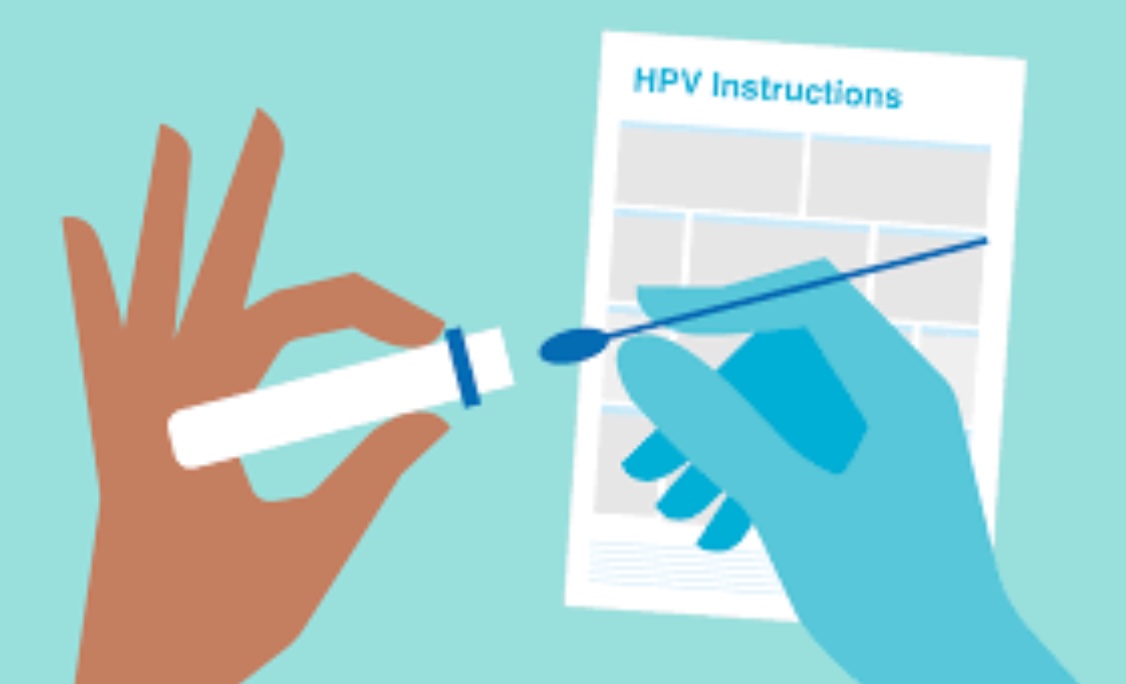
Across London, more than 27,000 people were offered kits, with 8,838 samples returned. Importantly, 64% of responses came from people from ethnic minority backgrounds and 60% from those living in more deprived areas. This level of engagement significantly exceeded previous campaigns and demonstrates the potential of self-sampling to reduce health inequalities.
What was the impact?
The HPV programme demonstrated the value of taking cancer prevention messages directly into communities rather than waiting for people to seek information themselves.
By attending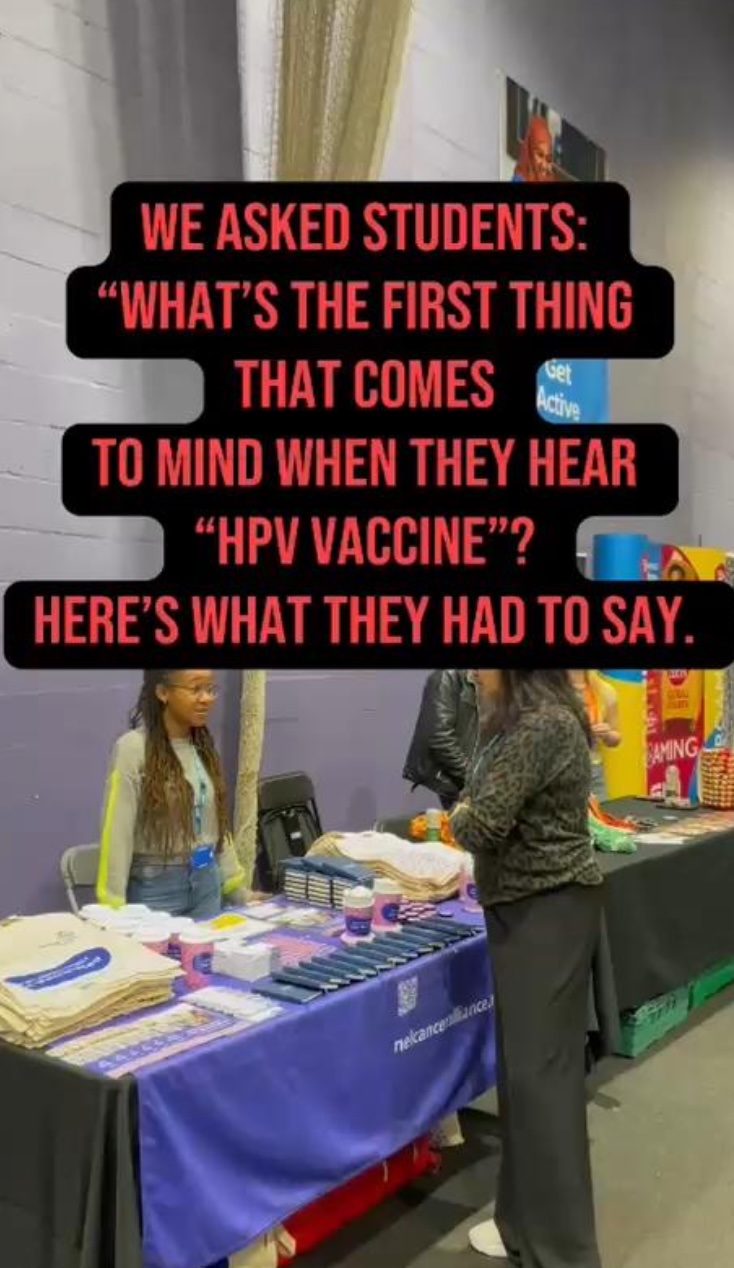 university freshers' fairs, the team reached more than 500 students, many of whom were unaware they could still receive a free catch-up HPV vaccine or had questions about HPV that they had never previously asked.
The campaign materials reflected the diversity of north east London, helping conversations feel more relevant and inclusive, while QR codes enabled people to quickly access trusted NHS information on their phones.
Social media activity successfully extended the campaign's reach beyond the events themselves. TikTok content achieved strong engagement with predominantly new audiences, particularly among people aged 18–34, demonstrating the value of using digital platforms to communicate important public health messages.
The partnership with The Love Tank highlighted how working with trusted community organisations can help reach people who may not engage with traditional healthcare services. By creating discreet vaccination opportunities through Under The Radar events, the programme has begun tackling some of the stigma and practical barriers that prevent people accessing the HPV vaccine.
Sherrice Weekes, Project Manager at North East London Cancer Alliance, said: "By taking information directly into universities, colleges and local communities, and by working with partners such as The Love Tank, we're helping people understand why the HPV vaccine matters and making it easier for them to access it.
"Every conversation we have is an opportunity to prevent cancer before it starts. Whether we're speaking to students at freshers' fairs or supporting our Under The Radar events, we're working to ensure everyone has the information and confidence they need to protect themselves."
The work also supports a much bigger ambition. Evidence now shows that the HPV vaccination programme has already prevented thousands of cases of cervical cancer and precancerous disease nationally, with recent research reporting no cervical cancer deaths among women who were vaccinated at the recommended age. This provides powerful reassurance that increasing vaccine uptake today will prevent cancers for decades to come.
Read more about the progress in eliminating cervical cancer here: https://www.nelcanceralliance.nhs.uk/news/hpv-vaccination-helping-bring-end-cervical-cancer-within-reach-across-north-east-london
"By taking information directly into universities, colleges and local communities, and by working with partners such as The Love Tank, we're helping people understand why the HPV vaccine matters and making it easier for them to access it." Sherrice Weeks.
What are the next steps?
North East London Cancer Alliance will continue working with partners across north east London to increase HPV vaccination uptake and ensure that everyone who is eligible knows how to access the vaccine.
Future priorities include:
- Continuing outreach at universities, colleges and community events to reach young adults who may have missed vaccination at school.
- Expanding partnerships with community organisations to reach underserved populations and reduce inequalities in vaccine uptake.
- Supporting additional Under The Radar vaccination events with The Love Tank to make vaccination more accessible for GBMSM and others who may not wish to attend traditional sexual health services.
- Continuing to develop culturally appropriate communications and digital content that answer common questions about HPV and vaccination.
- Working with primary care, sexual health services and other NHS partners to ensure vaccination opportunities are promoted consistently across north east London.
- Building on wider prevention initiatives, including HPV self-sampling and projects to improve cervical screening awareness among underserved communities.
Through prevention, partnership working and community engagement, North East London Cancer Alliance is helping ensure that more people are protected against HPV and contributing to one of the most exciting opportunities in modern cancer prevention: the eventual elimination of cervical cancer.
Essential HPV resources
Find out more about the HPV vaccine and cervical screening.