New video brings Health Inequalities Strategy to life



North East London Cancer Alliance, in partnership with behaviour change communications agency Claremont, has launched a new video explaining how its Health Inequalities Strategy will help tackle unfair and avoidable differences in cancer outcomes across north east London.
The short film brings the strategy to life, explaining why tackling health inequalities is so important, how the strategy was developed and the priorities that will guide the work of the cancer alliance with its partners across north east London.
North east London is one of the most diverse areas in the country. More than half of residents are from a minority ethnic background, around one in four people live in neighbourhoods among the most deprived nationally, and more than 200 languages and dialects are spoken across the area.
While this diversity is one of the region’s greatest strengths, people’s circumstances can affect how they access, understand and experience cancer services. Some communities are more likely to be diagnosed later, experience more complex routes through care or have poorer cancer outcomes.
This Health Inequalities Strategy sets out how the cancer alliance will work with partners and communities to change this. You can read more about the strategy, as well as access the latest documents, on the Health Inequalities Strategy webpage.

Listening to local communities
The strategy was developed using national and local data alongside extensive engagement with health and care organisations, community partners and local residents.
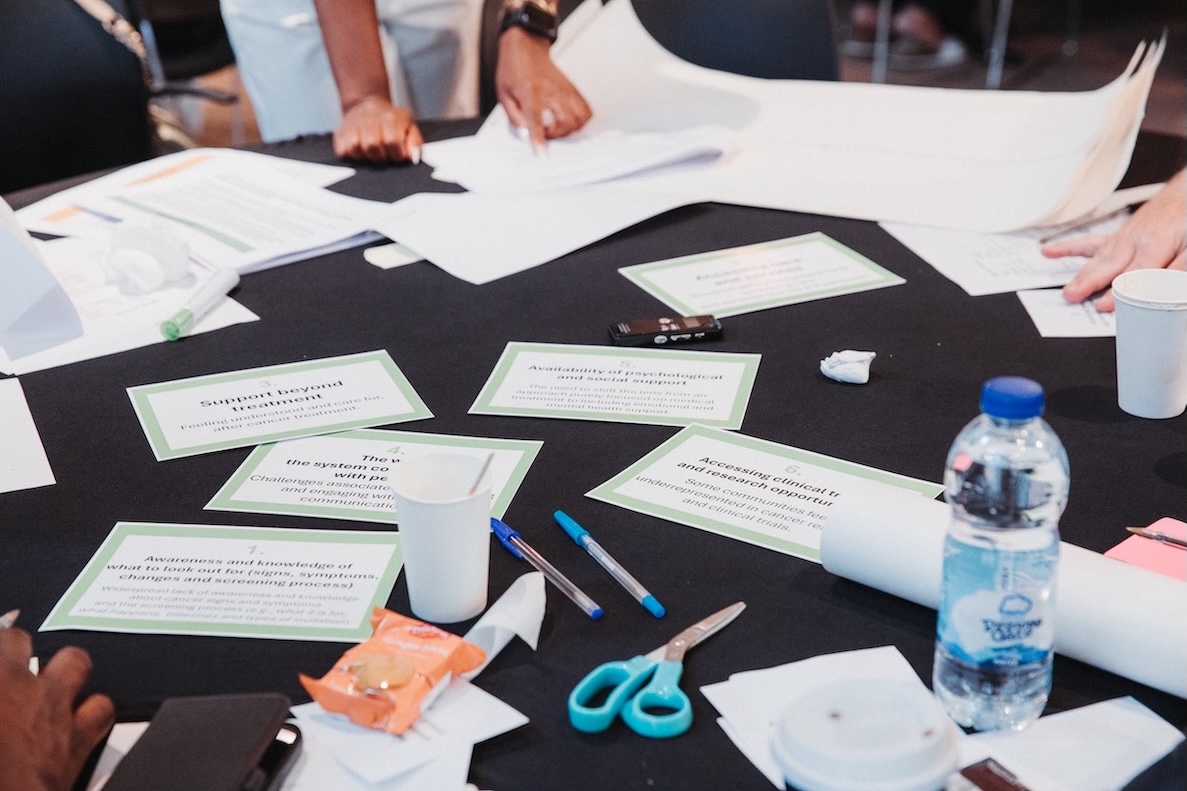
This included working in partnership with groups such as Roma, Gypsy and Traveller communities, sex workers and people with learning disabilities.
Importantly, lived experience was at the heart of the process. A citizens’ panel and targeted engagement with underserved communities helped identify the barriers people experience and what needs to change.
Caroline Cook, Early Diagnosis Programme Lead at North East London Cancer Alliance, said:
“Where you live, your background, the language you speak or the challenges you face in everyday life should not determine your chances of preventing cancer, getting an early diagnosis or receiving the care and support you need.
“Our strategy has been shaped by listening to people across north east London, understanding the barriers they experience and building trust with them. This new video is a great way to bring that work to life and explain how, together with our partners and communities, we will turn those insights into meaningful action.”
Six priorities for action
The strategy identifies six priorities for reducing inequalities across the cancer pathway:
- Make sure people know what is available and why it matters
- Remove barriers to accessing care
- Improve support after treatment
- Make cancer communications and interactions work for people
- Embed social and psychological support in care pathways
- Open doors to research
The Alliance was supported by Claremont in developing the strategy, bringing together evidence, data and, crucially, the voices and experiences of people living across north east London.
Dr Tiago Moutela, Associate Director at Claremont said:
“Developing this strategy was about much more than looking at numbers and data. We wanted to involve different communities across North East London to truly explore what it is like for them to navigate different cancer pathways – particularly those whose voices and experiences can too easily be overlooked.
“By bringing those stories together with the expertise of health, care and community partners, we have created a strategy that places people’s real experiences at its core and provides a practical framework for tackling inequalities.”
Turning strategy into action
The focus now is on turning the strategy into action.
This includes bringing organisations together around shared priorities, strengthening collaboration between health services, local authorities and community partners, and continuing to involve people with lived experience through the Alliance’s Lived Experience Advisory Panel (LEAP).
Progress will be measured using both data and the experiences of local people, helping the strategy continue to evolve as we learn more about what works.
Watch our new Health Inequalities Strategy video and find out more about the strategy on our Health Inequalities Strategy webpage.
Similar articles

Celebrating Black History Month with Femi Odewale
Breast cancer awareness month 2026