
Targeted Prostate Health Check
What is the Targeted Prostate Health Check?
Please note: this information is for people who have received a direct invitation only
The Targeted Prostate Health Check aims to detect early but significant cancer in men who are at risk of prostate cancer.
The men who are at highest risk of prostate cancer are:
- Black men aged 45 to 69
- Men of any ethnicity with family history of prostate cancer and who are aged 45 to 69
Please call the appointment team on 0208 535 6407 to set up an appointment. Alternatively, you can email us on bartshealth.tphc@nhs.net. Please include your full name, date of birth and telephone number.
What is the prostate?
What is the prostate?
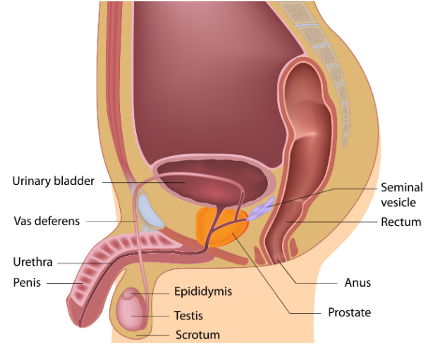
The prostate is a small gland that sits just under the bladder and in front of the rectum. It makes up the fluid that forms part of the semen.
The bladder is for the storage of urine.
The rectum is the back passage where faeces pass out of the large bowel via the anus.
The urethra (waterpipe) is the tube that passes through the prostate gland to the penis to pass urine or carry semen to the penis.
As you grow older, the size of the prostate will gradually grow from a walnut size to a size between a plum or an orange.

What is prostate cancer?
Prostate cancer is the most common cancer that affects men in the UK.
About 1 in 8 men will be diagnosed of prostate cancer in their lifetime.
Prostate cancer is usually slow growing, so there are no signs or symptoms noticed in many years. It is not always aggressive or life threatening.
Survival rates for prostate cancer are excellent when it is diagnosed at an early stage. Some men diagnosed of prostate cancer may not need treatment.
Prostate cancer develops when the prostate cells start to grow in an abnormal way.
The cause of prostate cancer is unknown.

What can increase the risk that you will have prostate cancer?
- Age – The chances of prostate cancer increase as you get older. Most men aged 50 or older develop prostate cancer.
- Ethnicity – Prostate cancer is more common in Black men and less common in Asian men. 1 in 4 Black men will get prostate cancer in their lifetime.
- Family History – Men who have father or brother that were diagnosed of prostate cancer has an increased risk themselves. Men who also have a mother or sister who have had breast cancer also has an increased risk of prostate cancer.
If you are aged 45 and have one of the risks above, it is recommended that you should consider having a PSA blood test done or talk to your GP.

What are the symptoms of prostate cancer?
Early prostate cancer has no symptoms. Symptoms of prostate cancer do not usually appear until the cancer is advanced, and begins to affect the urethra (waterpipe).
Symptoms include:
- blood in the urine or semen
- new back, hip or pelvis bone pain
- unexplained weight loss
- fatigue
- swelling of the legs

What is a PSA test?
PSA (Prostate Specific Antigen) is an enzyme made by the prostate gland that is found in the blood. PSA is a blood test that measures the activity of the prostate. It helps detect the early signs of prostate cancer.
Read more information about PSA tests
What causes urinary symptoms?
What causes urinary symptoms?
Some men with enlarged prostate do not get urinary symptoms. It is very common in men aged 50 and above, although it may affect younger men. It is not caused by prostate cancer. You may experience some of the symptoms written above.
There are other causes of having urinary symptoms such as stress, anxiety, weather conditions, medications, lifestyle factors and other health problems.
As the prostate grows, it causes the urethra (waterpipe) to become narrow. This causes the urine to flow slowly or even stop the flow of urine.

What are the possible symptoms of an enlarged prostate?
The possible symptoms of enlarged prostate are as follows:
- weak urine flow
- feeling that your bladder has not emptied completely
- difficulty to start urine immediately
- dribbling urine
- passing urine more at night
- sudden urge to pass urine
- sometimes leaking of urine
You can also read more about urinary symptoms.

The risks of getting prostate cancer
In this video, British athlete Joe Appiah talks about understanding the risk of prostate cancer and how it is important to get checked early.