Case study: Raising bowel cancer awareness through foodbanks
Introduction
People living in more deprived communities are less likely to take part in bowel cancer screening, contributing to inequalities in early diagnosis and outcomes.
North East London Cancer Alliance worked with behaviour change communications agency Claremont and local community organisations to explore a different way of reaching people who may not engage with traditional health campaigns.
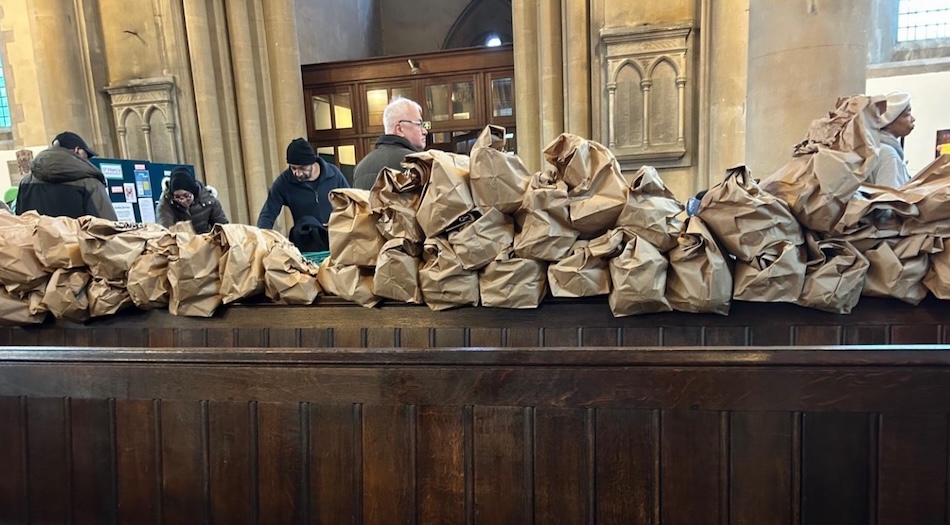
By taking bowel cancer awareness into foodbanks in Hackney and Newham, the project combined trusted conversations about screening and symptoms with practical advice on healthy eating and digestive health. The pilot has provided valuable insight into how flexible, community-based approaches can improve knowledge, build confidence and encourage people to take action.
What did we do?
People living in areas of higher deprivation are significantly less likely to take part in bowel cancer screening and are more likely to be diagnosed with bowel cancer at a later stage.
To help address this inequality, North East London Cancer Alliance partnered with Claremont, a behaviour change communications agency, to explore a new approach to raising awareness among people using foodbanks in Hackney and Newham.
Rather than expecting people to engage with traditional health campaigns, the project took bowel cancer awareness directly into trusted community settings, combining information about bowel screening with practical advice on digestive health and healthy eating.
The pilot demonstrated how community partnerships, behavioural insight and flexible delivery can improve awareness, build confidence and encourage more people to take up bowel cancer screening.
Understanding the barriers
Before developing the campaign, North East London Cancer Alliance and Claremont carried out a comprehensive discovery phase to understand the needs of local communities. This included:
- reviewing existing evidence and previous bowel cancer campaigns
- behavioural research
- 27 in-depth interviews with people from the target audience
- co-design workshops with local community representatives
- partnership working with Renewal Programme, Hackney Food Bank and Bags of Taste.
The research identified several barriers preventing people from taking part in bowel cancer screening, including:
- fear of receiving bad news
- uncertainty about what the FIT bowel screening kit was for
- low confidence in completing the test
- language and literacy barriers
- competing everyday priorities
- limited engagement with healthcare services.
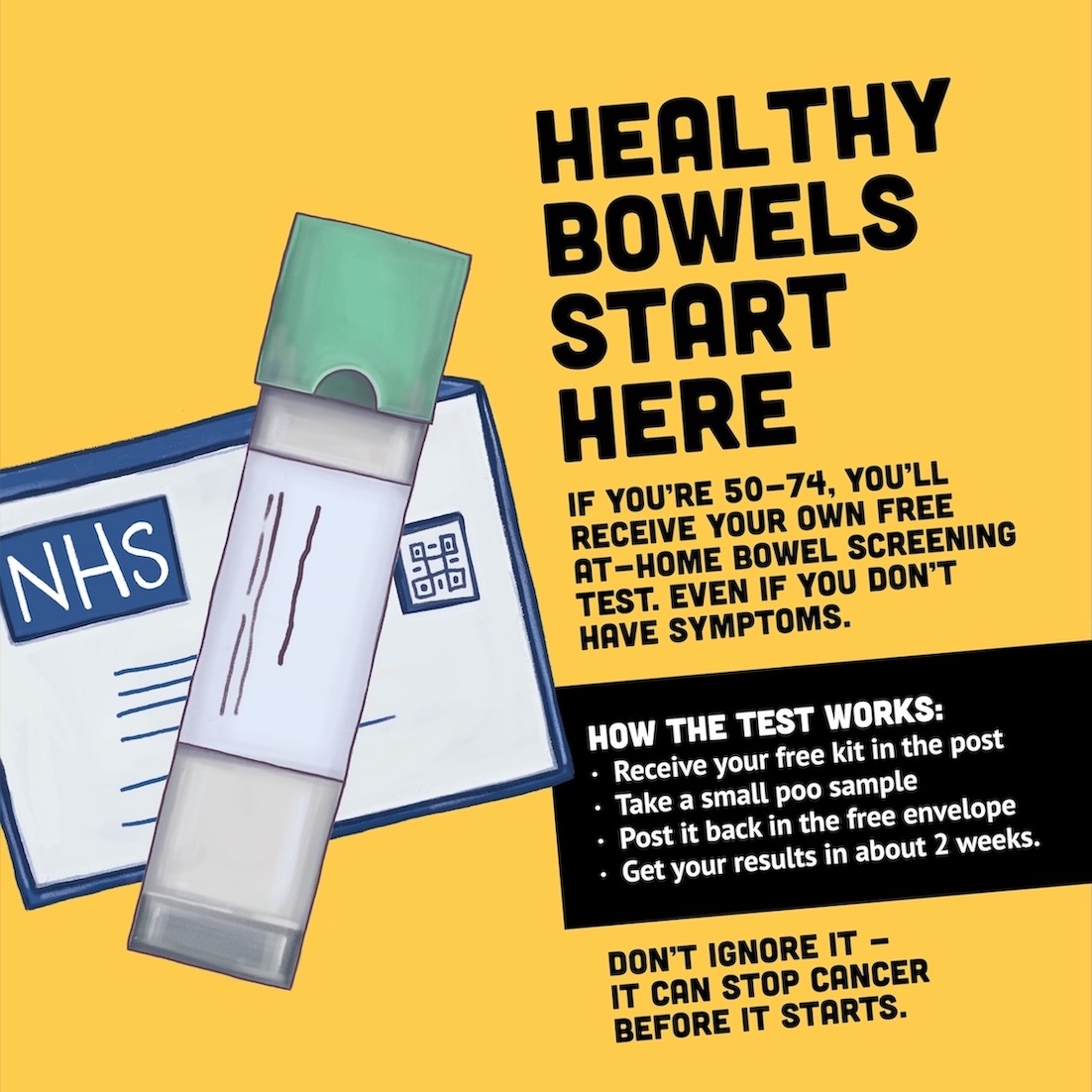
Importantly, many participants thought the screening kit had been sent to them by mistake or believed receiving it meant they already had cancer.
The research also found that people responded better to practical advice about looking after their health than traditional awareness messaging.
Designing a community-led campaign
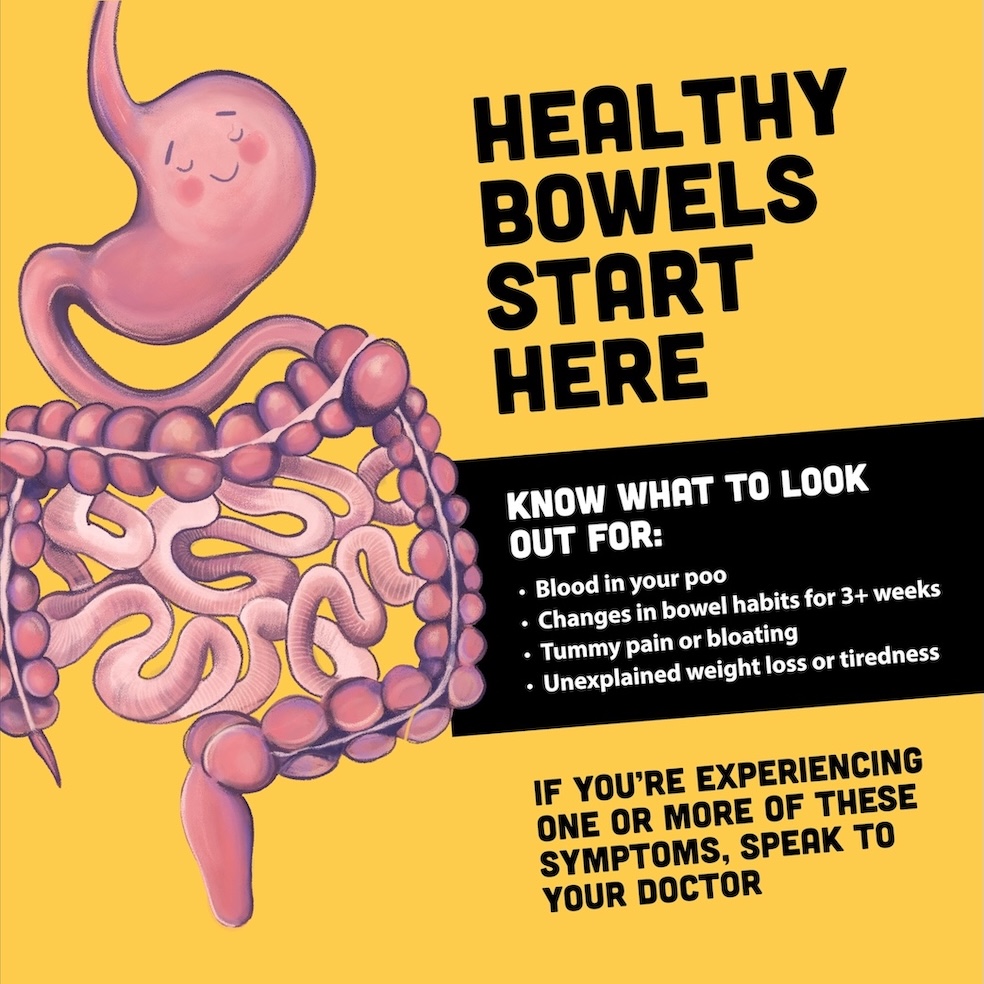
Using these insights, the campaign focused on making bowel health feel simple, relevant and approachable. The core message was:
"Healthy bowels start here. Your test is coming soon. Here's how to keep your bowels healthy in the meantime."
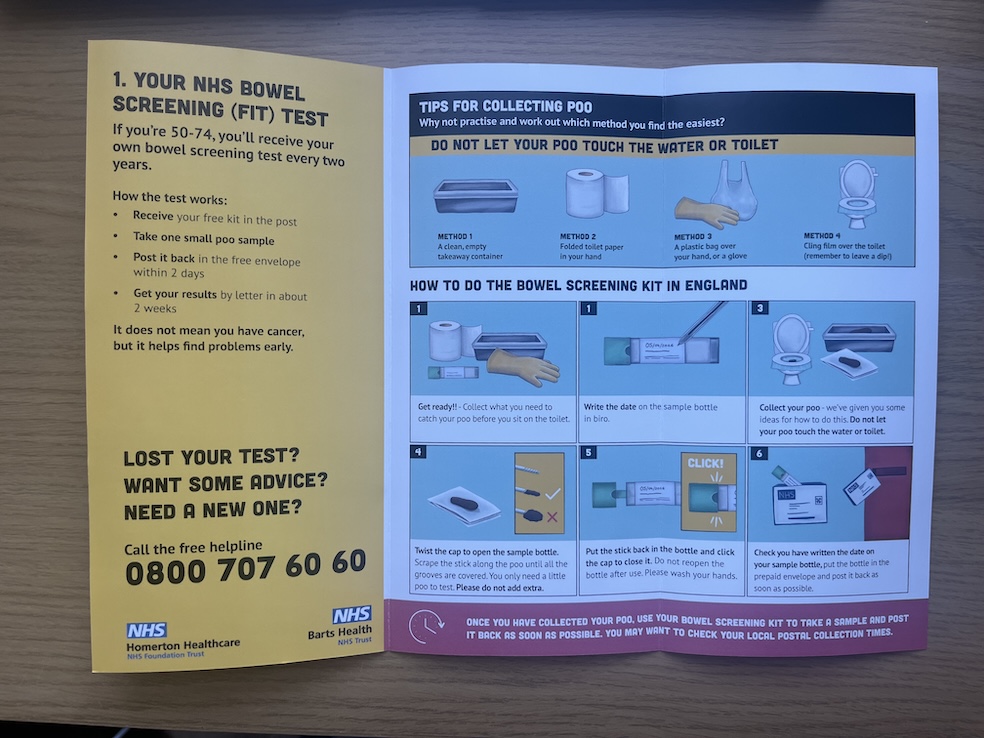
The campaign combined several activities designed to meet local people, providing:
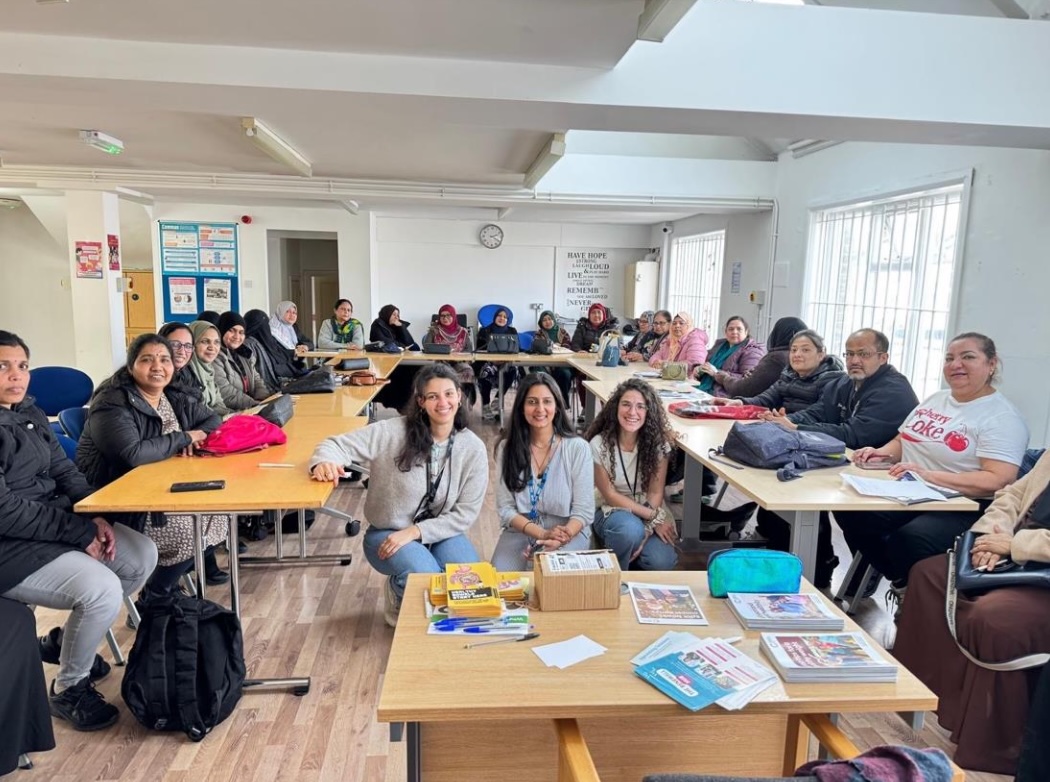
- community engagement sessions led alongside healthcare professionals covering bowel cancer symptoms and bowel screening
- practical healthy eating advice linked to digestive health
- easy-to-read printed information
- branded tea towels featuring the NHS Eatwell Guide as an everyday reminder about bowel screening
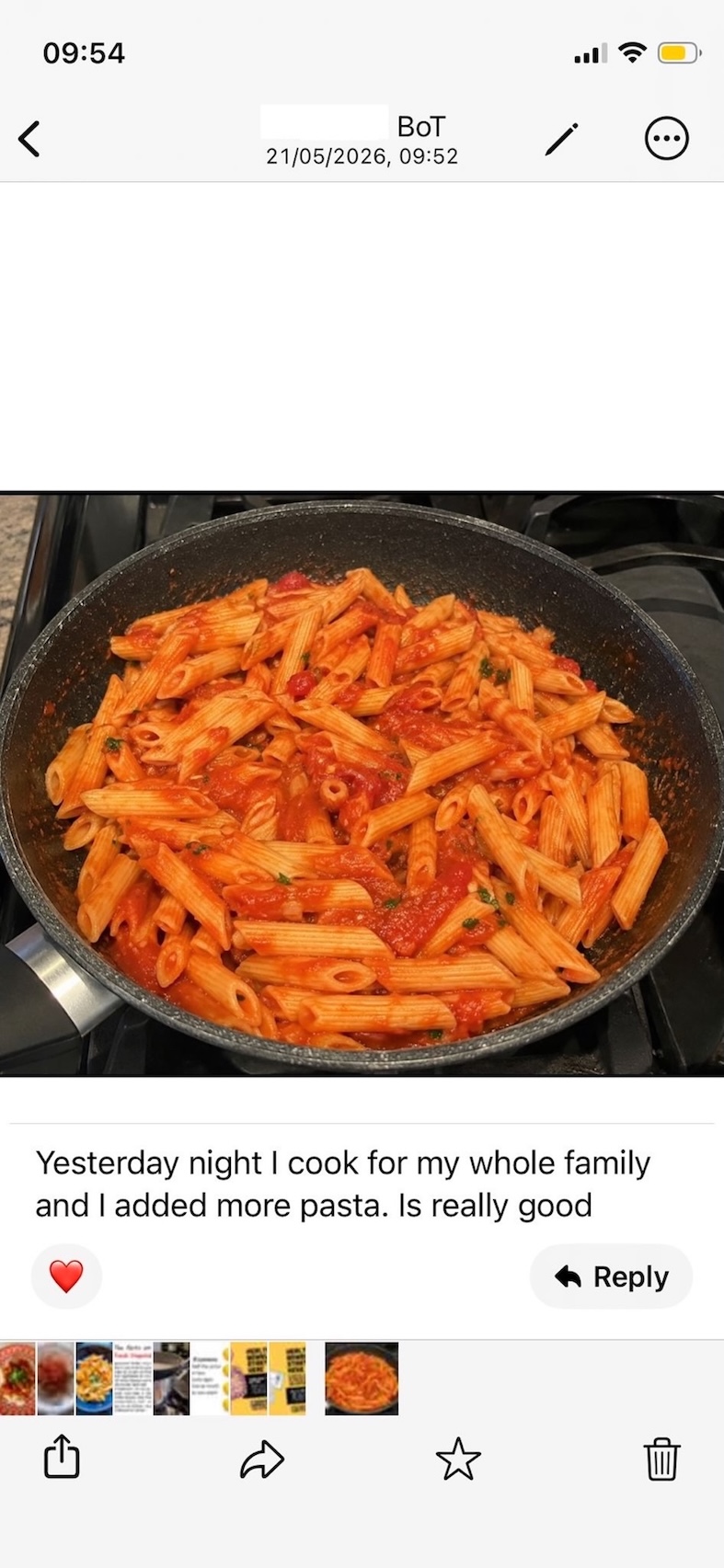
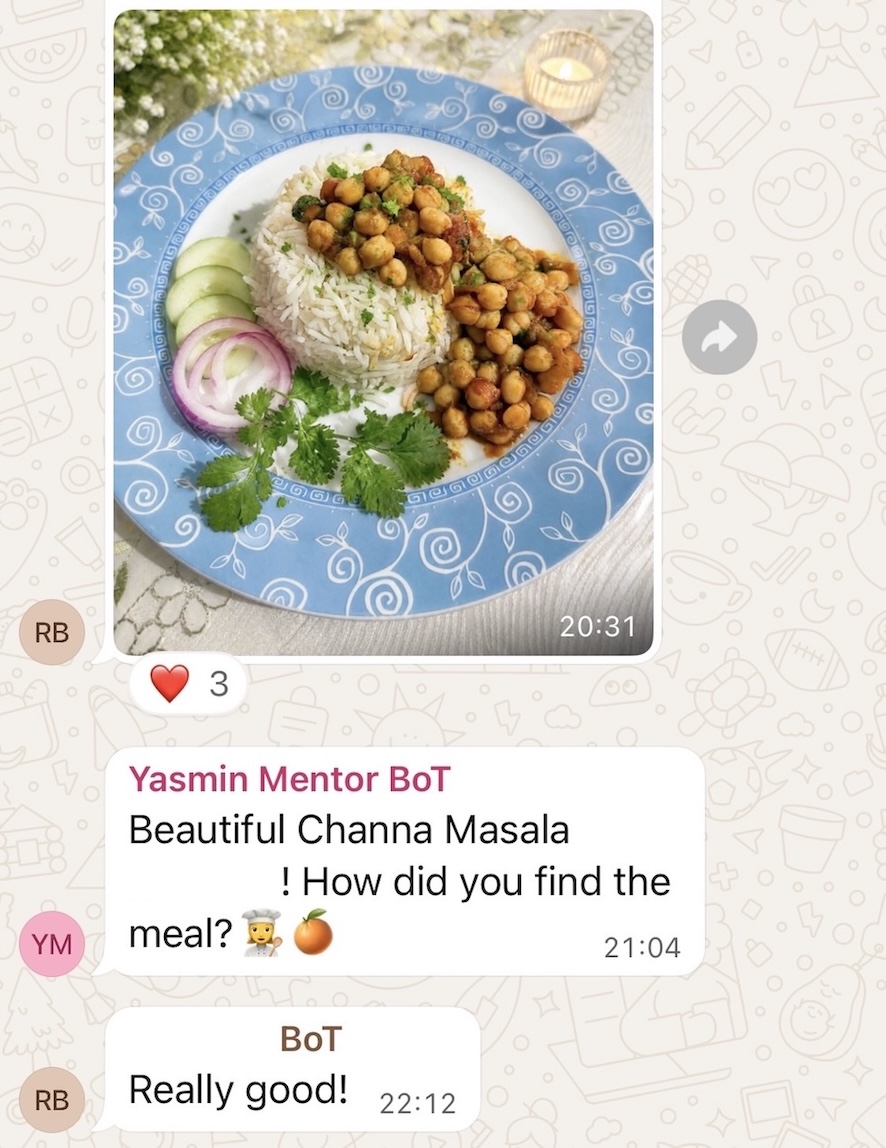
- WhatsApp messages delivered through the Bags of Taste programme, supporting participants with healthy home cooking.
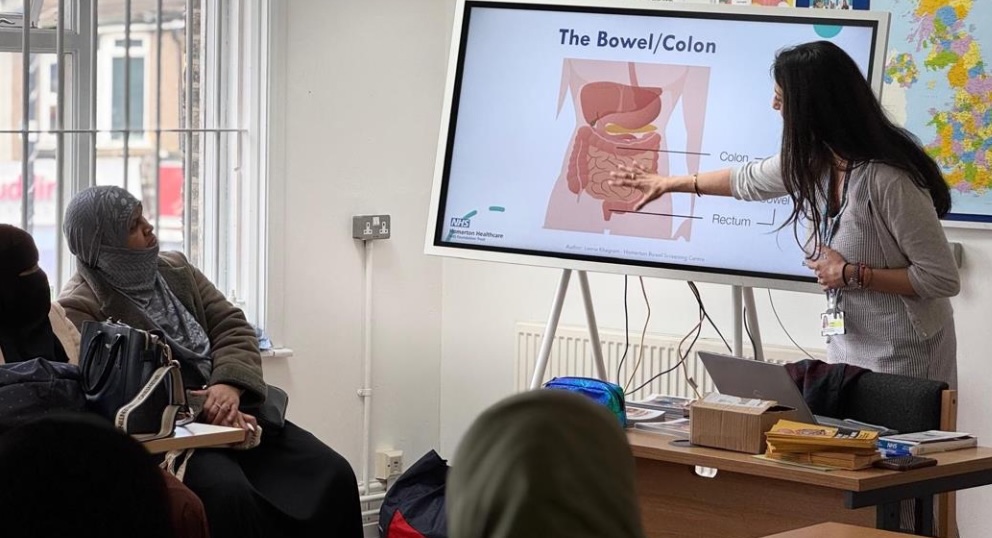
Adapting the approach
One of the most va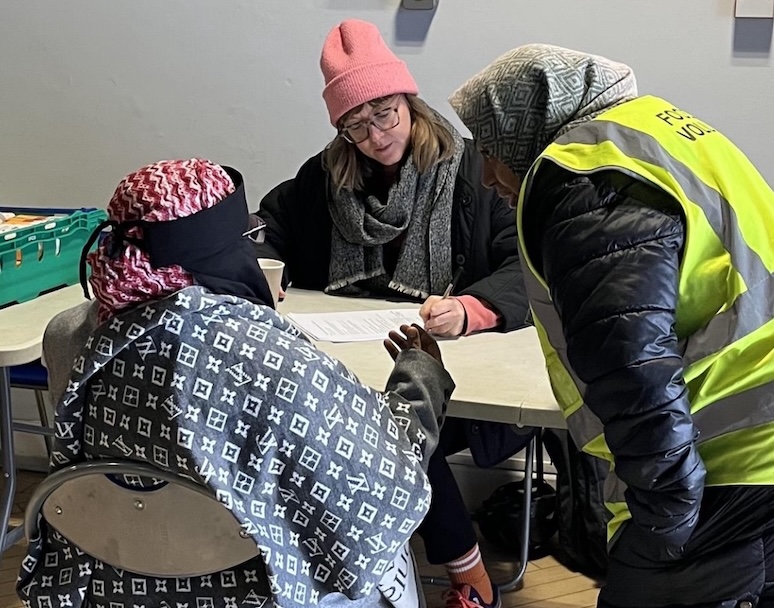 luable lessons from the pilot was the importance of flexibility.
The original plan was to deliver group workshops across both foodbanks. However, it quickly became clear that this would not work equally well in every setting.
At one foodbank, many visitors were focused on not missing their place in the queue for the food, making it difficult for them to attend longer sessions. The team adapted by holding short, informal one-to-one conversations during food collection.
At the second foodbank, visitors were more likely to spend time together, making group workshops the most effective approach.
This demonstrated that successful engagement depends on understanding how each community setting operates rather than applying a single delivery model.
“This project is another powerful example of the value of working directly with local community organisations." Nikki Poland, Project Manager, North East London Cancer Alliance.
What was the impact?
The pilot reached dozens of local residents through multiple engagement channels:
- 81 information leaflets distributed
- 55 NHS Healthy Eating tea towels distributed
- 55 people attended engagement sessions
- 25 people signed up to the Bags of Taste programme
- 10 participants completed the programme.
Evaluation showed significant improvements in both knowledge and confidence.
Following the sessions:
- 91% felt more confident managing their health
- 82% said their knowledge had increased
- the proportion with low knowledge about bowel cancer fell from 73% before the intervention to just 5% afterwards
- 96% rated the sessions as good or excellent
- 86% said the information was easy to understand
- 77% said they would recommend the sessions to others.
 Perhaps most importantly, the campaign encouraged people to take action.
Following the sessions:
- 59% said they intended to take part in bowel screening
- 27% said they were considering completing their screening test
- 19 people (35% of participants) went on to request a bowel screening kit through the NHS
- of those who requested a kit, 63% completed it, while 16% were still in the process of completing it.
What happens next?
The pilot reinforced that reducing health inequalities requires more than simply sharing information. Several key lessons emerged:
Trusted conversations matter
People were much more willing to discuss bowel health when speaking informally with trusted staff and healthcare professionals in familiar community settings.
Flexibility improves engagement
Different community organisations work in different ways. Tailoring activities to fit around existing services was far more effective than expecting communities to adapt to a standard programme.
Practical messaging resonates
Participants were more engaged by advice they could use immediately, such as healthy eating and digestive health tips, than by traditional awareness campaigns focused solely on cancer. Language barriers mean limited participation and follow-through, so materials are needed for low literacy and non-English speakers
Community partnerships are essential
Working alongside established local organisations helped build trust and ensured the campaign reached people who are often underrepresented in healthcare services. People are unlikely to approach bowel cancer messaging unprompted due to fear and competing priorities and so direct, human interaction is essential to initiate conversations
Next steps
The success of this pilot provides a strong evidence base for expanding this approach across North East London.
North East London Cancer Alliance will continue working in partnership with Claremont to build on the learning from the project, exploring how similar community-based approaches can help increase bowel cancer screening uptake among populations experiencing the greatest health inequalities.
By combining behavioural science, community insight and trusted local partnerships, this pilot has shown that bringing healthcare conversations into everyday community spaces can help more people understand bowel cancer, feel confident about screening and take positive action for their health.