Case study: Raising awareness of ovarian cancer through You Need To Know
Introduction
North East London Cancer Alliance worked in partnership with The Eve Appeal and AKT Health Communications, part of JPA Health, to deliver the second phase of You Need To Know, a locally focused campaign designed to improve awareness and support earlier diagnosis of gynaecological cancers.
Following the success of the award-winning womb cancer campaign launched in 2023, the second phase focused on ovarian cancer. Local data had shown a 20% increase in ovarian cancer cases among women in north east London between 2018 and 2022. The data also showed that White British and European women were more likely to be diagnosed late. This meant the campaign needed to focus more on supporting these groups, compared with the earlier womb cancer campaign.
Ovarian cancer can be difficult to diagnose because symptoms can be vague and mistaken for other, less serious conditions. The campaign therefore aimed to help women recognise possible symptoms such as persistent bloating or persistent pelvic and abdominal pain, understand what is normal for their own body and feel confident about contacting their GP when something does not feel right.
Central to the approach was the belief that health campaigns are more likely to connect with people when they are developed with communities rather than simply for them.
What did we do?
We began by involving local women directly in developing the campaign. Nine women from White British and European backgrounds took part in a focus group, helping to shape the imagery, language and tone. Three went on to become the faces of the campaign, appearing in photography and videos. Rather than using professional models, the campaign featured real women from north east London to make the materials feel more authentic and relatable.

Accessibility was another priority. Videos were produced in English, Lithuanian and Turkish, while campaign leaflets were translated into Lithuanian, Polish, Romanian and Turkish. The campaign also incorporated artwork created by three artists with connections to the communities being reached.

The creative approach deliberately moved away from traditional clinical-looking NHS communications. Bright colours, photography and artwork were used to make a difficult subject feel approachable, while still communicating the seriousness of ovarian cancer. Independent evaluation found that women generally saw the materials as clear, practical and easy to understand, with the colourful, non-clinical design helping them stand out.
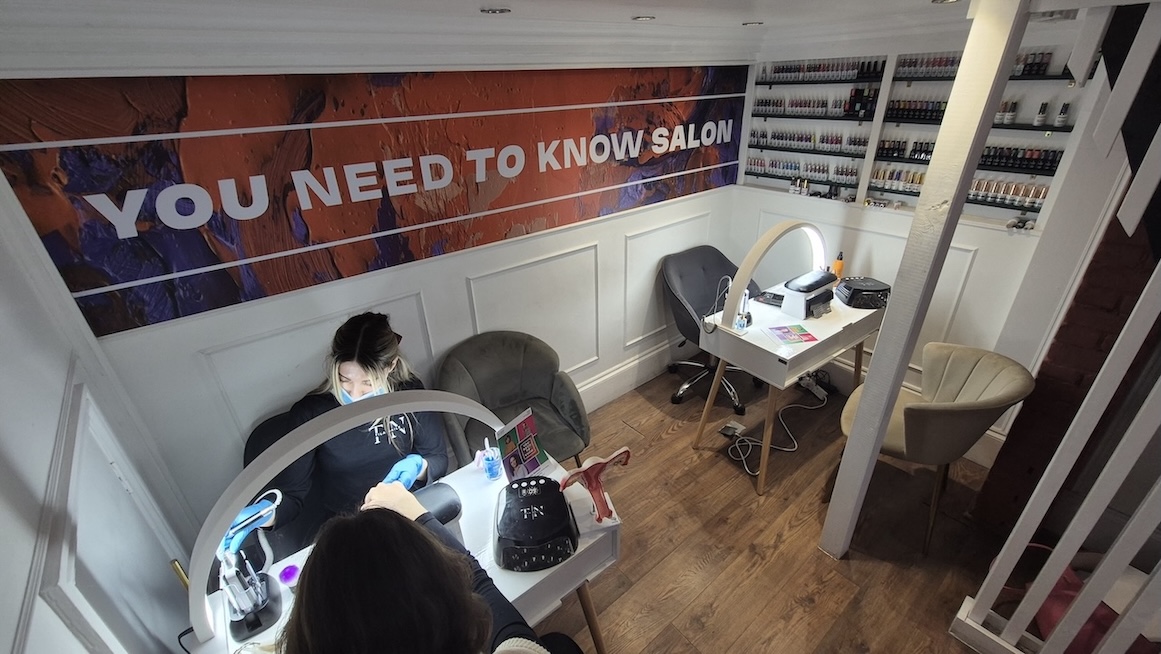
The campaign launched in January 2025 with an unusual community activation: a takeover of a nail salon in Bethnal Green, followed by a second event in Romford. Women could receive a free manicure while having an informal conversation with an ambassador from The Eve Appeal about ovarian cancer and its symptoms. The aim was to take health information into an everyday environment where conversations could happen naturally rather than expecting women to come to a healthcare setting.
Digital communications and media coverage extended the campaign further. Videos were promoted through Facebook and Instagram, including content specifically aimed at Lithuanian- and Turkish-speaking women.
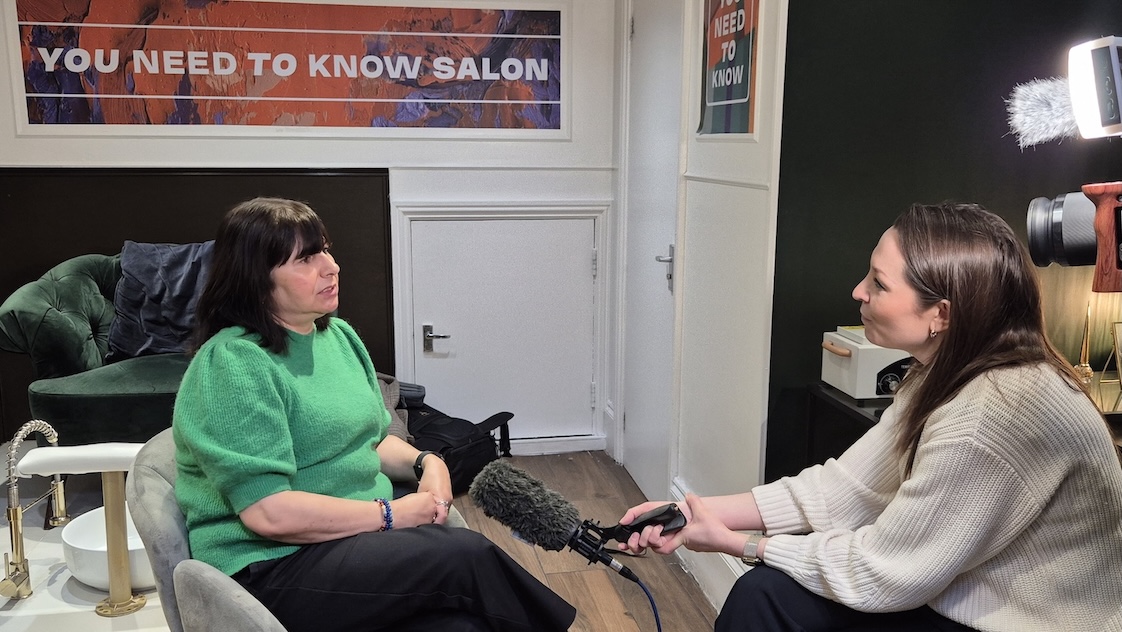
But the heart of 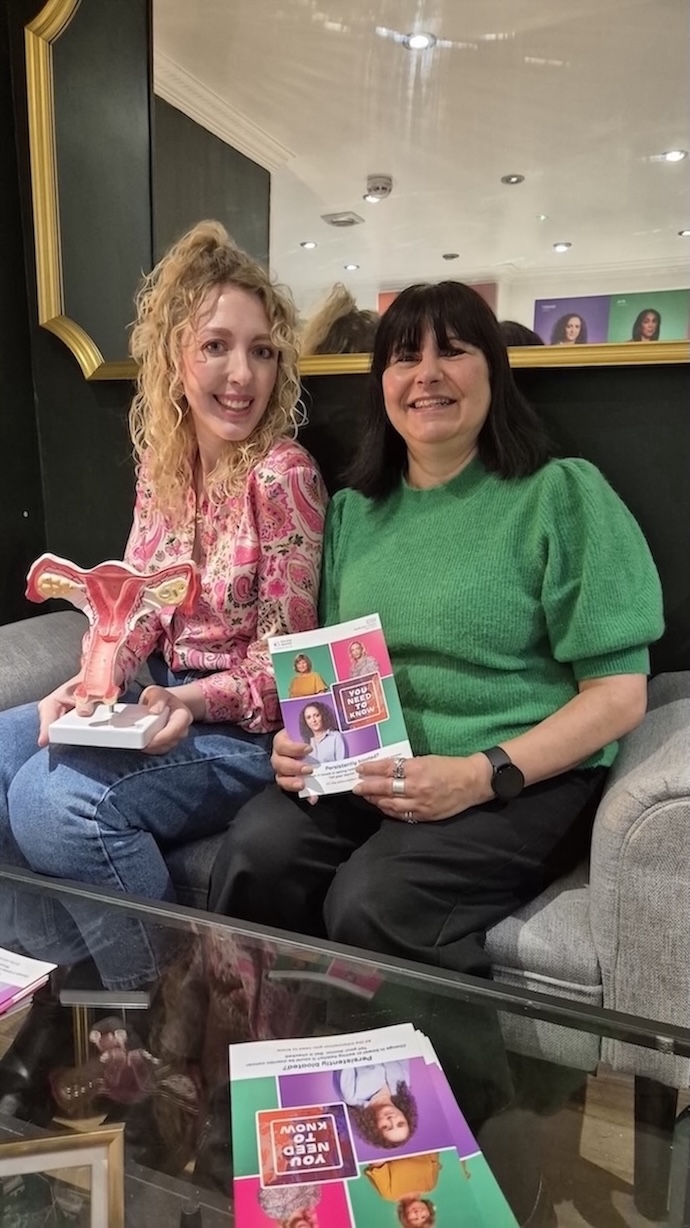 You Need To Know was face-to-face community engagement.
Eleven awareness talks were delivered in community settings across north east London.
Working through trusted local organisations helped create friendly, informal spaces where women could ask questions and discuss subjects that can still carry embarrassment or stigma.
Sessions combined expert information with humour, conversation, lived experience and practical tools such as anatomical models.
The campaign itself was also evaluated with the community rather than solely through traditional research. Four local women were trained as peer researchers and spoke to other women about the campaign, providing insight into awareness, trust and barriers to seeking help.
What was the impact?
The campaign achieved substantial reach across digital, media and community channels. A thorough evaluation was conducted by The Researchery and Shortwork.
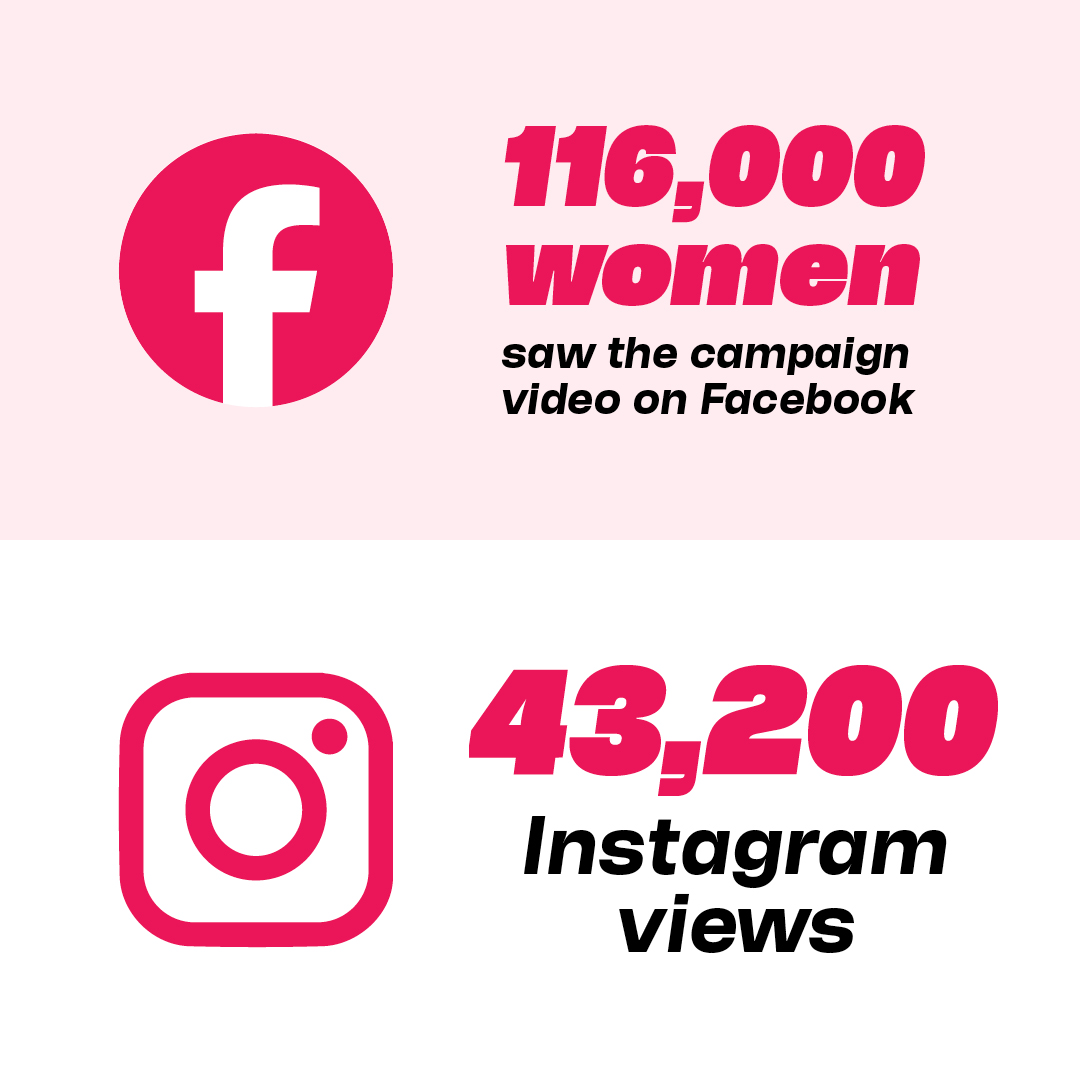
The main campaign video was seen by 116,400 women on Facebook, while Instagram activity generated around 43,200 views. Eight pieces of TV, radio, print and online news coverage had a combined potential reach of 50.5 million.
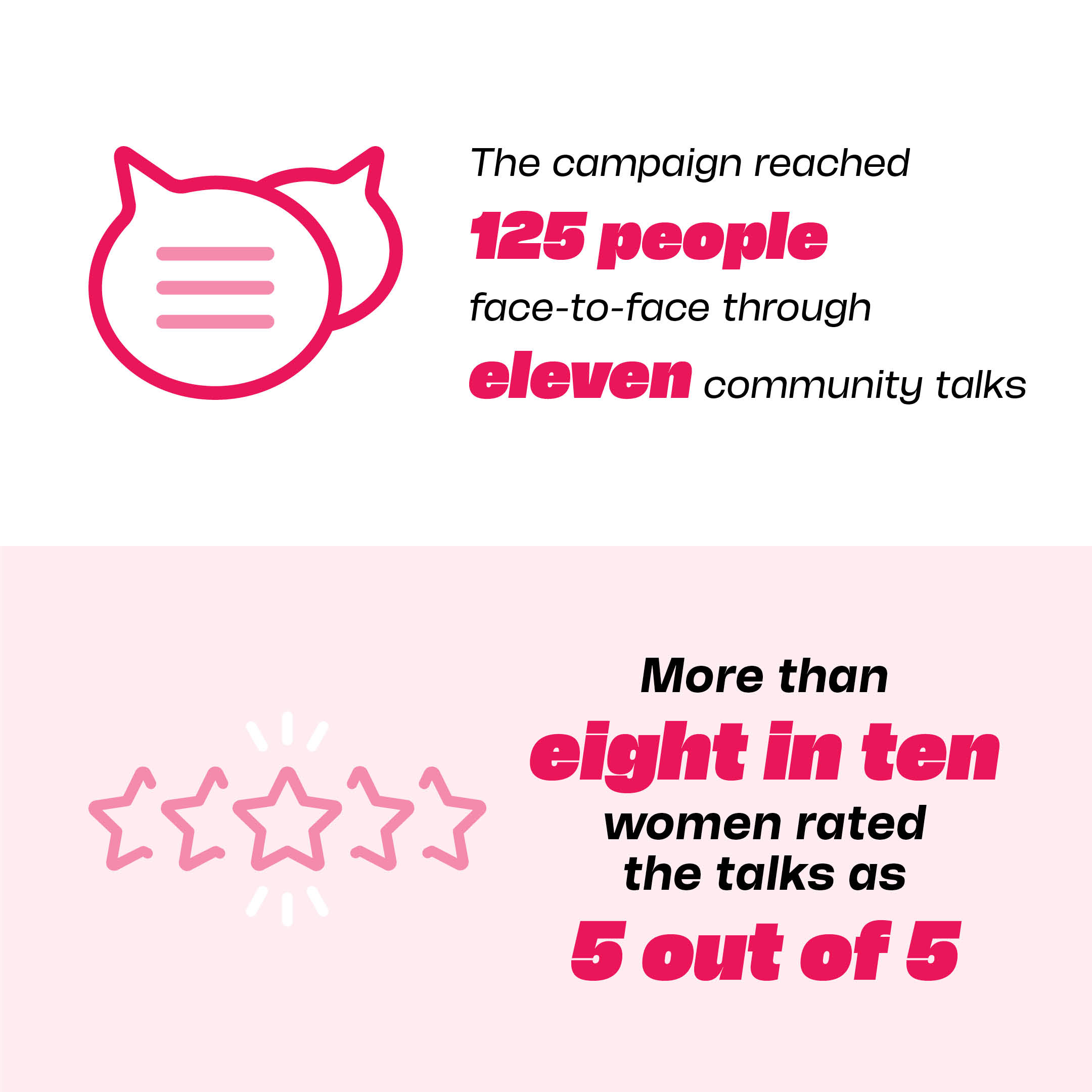
The face-to-face activity was particularly successful. The campaign reached 125 people through 11 community talks, with more than eight in ten women rating the talks five out of five and almost nine in ten saying they would recommend a talk to a friend or family member.

The evaluation found that the talks did more than simply provide information. Women valued having a safe, non-judgemental environment in which they could discuss intimate subjects and ask questions they might otherwise have felt uncomfortable raising.
Most importantly, there was evidence that the campaign was increasing knowledge.
Among London residents surveyed who had seen You Need To Know, 78% said they felt “quite familiar” with ovarian cancer and its symptoms. The evaluation also found greater confidence among women exposed to the campaign about what they should do if they suspected ovarian cancer.
The campaign also provided useful evidence about how people want to receive health information. Two-thirds of survey respondents said social media was an effective way of receiving information about cancer, symptoms and where to get help, compared with half who selected a GP, pharmacist or other healthcare professional.
The independent evaluation concluded that the campaign successfully reached its target audience, was informative and engaging, and made a difference to awareness of ovarian cancer, its symptoms and what women should do when they notice them.
There were als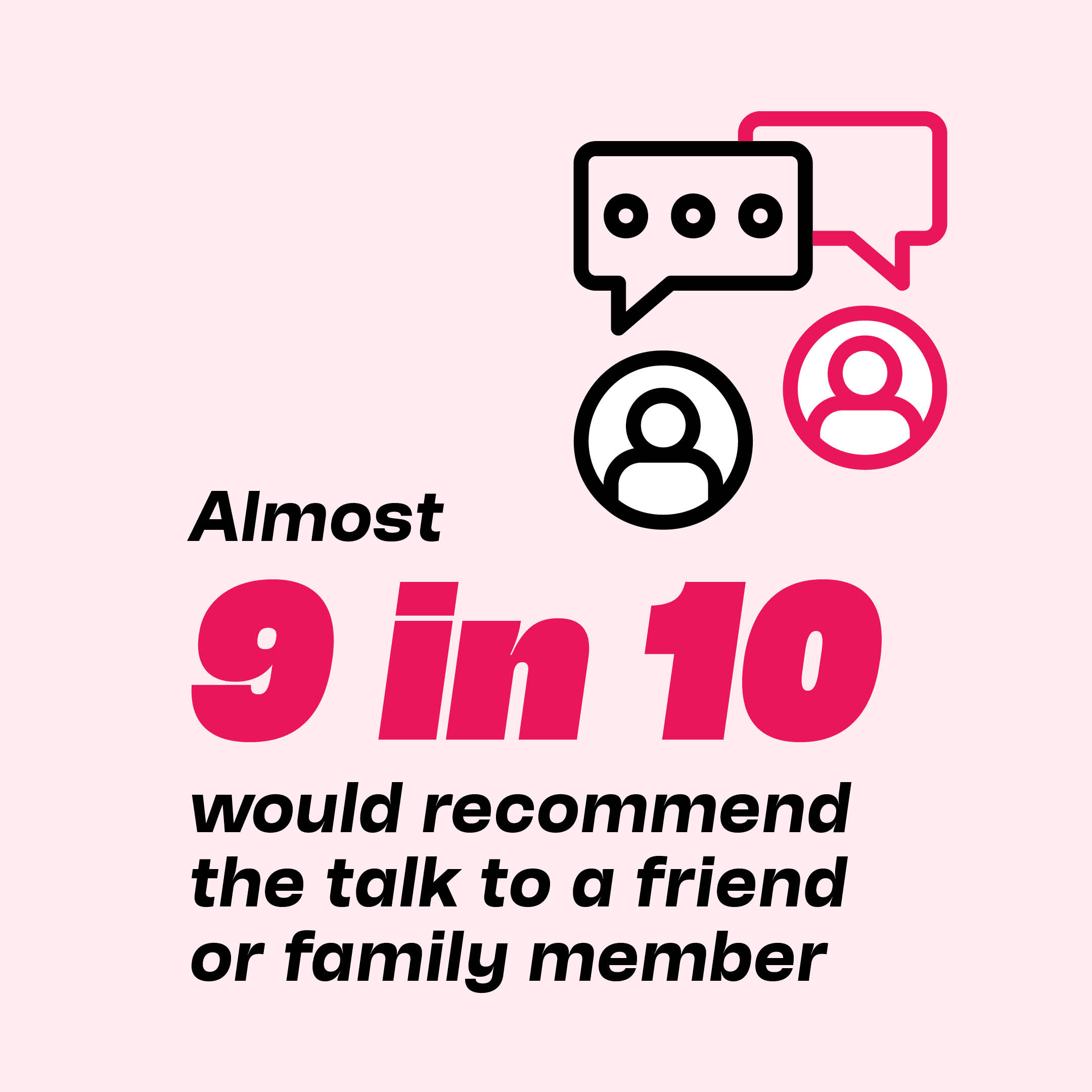 o encouraging trends in local diagnosis and referral data. However, the evaluation rightly cautions that these changes cannot be directly attributed to You Need To Know. Demonstrating whether the campaign ultimately leads to earlier diagnosis and improved health outcomes will require longer-term evidence.
Perhaps one of the strongest findings was the value of combining digital reach with trusted, face-to-face community engagement. The evaluation described the community talks as arguably the campaign's greatest strength.
“The feedback shows how powerful it can be when we create a safe and welcoming space for women to talk openly about their health." Sherrice Weekes, Project Manager, North East London Cancer Alliance.
What are the next steps?
The evaluation has provided valuable learning that can be used to strengthen future You Need To Know campaigns and other community awareness work across north east London.
Keep co-production at the centre. Working with local women helped create authentic content and establish trust. Future campaigns should continue involving the people they want to reach from the earliest stages, rather than asking communities to comment only after materials have been developed.
Continue the community talks. Face-to-face sessions were one of the strongest elements of the campaign and should remain central to future activity. The relationships established with community organisations also provide a stronger foundation for future outreach. The evaluation notes that building these relationships takes time, but existing trust should make future engagement easier.
The use of anatomical and knitted models in talks was particularly effective. These tools supported greater understanding of anatomy that was generally sorely missing in the audiences, and prompted more specific questions about gynaecological health and anatomy and supported understanding in a way that felt accessible and less formal than traditional teaching approaches. For some participants, this led to a “lightbulb moment”, supported by the visual and tactile nature of the materials.
Make older women even more visible. The evaluation identified an important learning point around age. Some older participants felt that the campaign might be aimed at younger women, despite ovarian cancer being particularly relevant to older age groups. Future campaigns should feature a broader mix of ages and talk explicitly about ovarian cancer in older women rather than relying on terms such as “postmenopausal”.
Keep information practical and accessible. Simple messages about knowing what is normal for your body, recognising persistent changes and knowing when to contact a GP should remain at the heart of future communications. Translated materials should continue to be used where they can help reach local communities.
The campaign has also created relationships, experience and a growing network of local women who can support future engagement. The evaluation concludes that locally rooted co-production can meaningfully increase awareness and confidence around conditions that are difficult to talk about and provides a strong, replicable model for reaching women at greater risk of late diagnosis.
We will be going out into the community again to discuss cervical screening and HPV awareness, working once more with The Eve Appeal.
You Need To Know essential resources
Find out more about ovarian and womb cancer, as well as the campaign.